


Clean water systems and durable infrastructure depend on materials that deliver reliable chemical performance and structural stability. One such material is slaked lime (calcium hydroxide), a compound widely used in water treatment plants and civil engineering projects.
From removing impurities in drinking water to strengthening soil beneath highways and buildings, slaked lime plays a vital role in modern industry. Its strong alkaline nature allows it to neutralize contaminants, adjust pH levels, and improve soil strength, making it an essential material for both environmental and construction applications.
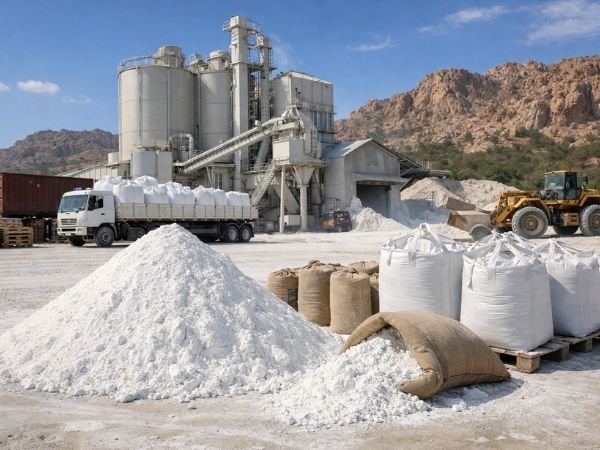
At Shri Jodhpur Lime, a trusted pan-India supplier of high-quality lime products, industries rely on consistent and high-purity slaked lime for water treatment facilities, infrastructure projects, and industrial processes.
This article explains how slaked lime improves water purification efficiency and construction quality, while highlighting why industries across India depend on reliable suppliers like Shri Jodhpur Lime.
What Is Slaked Lime?
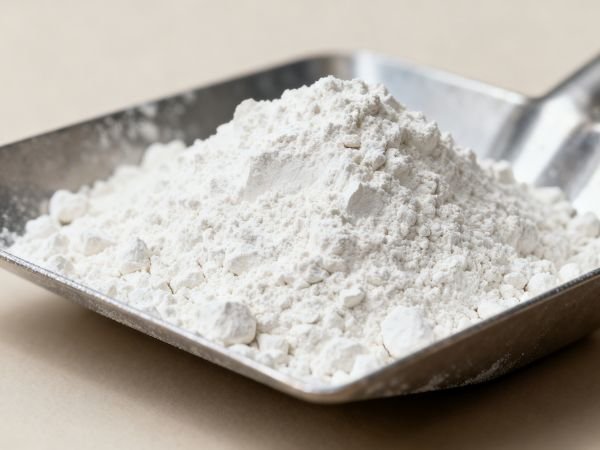
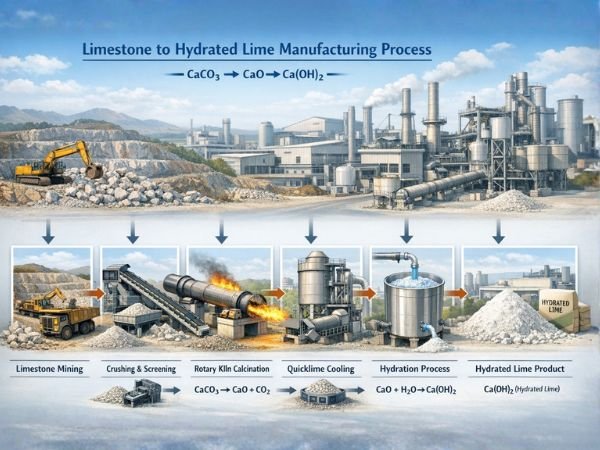
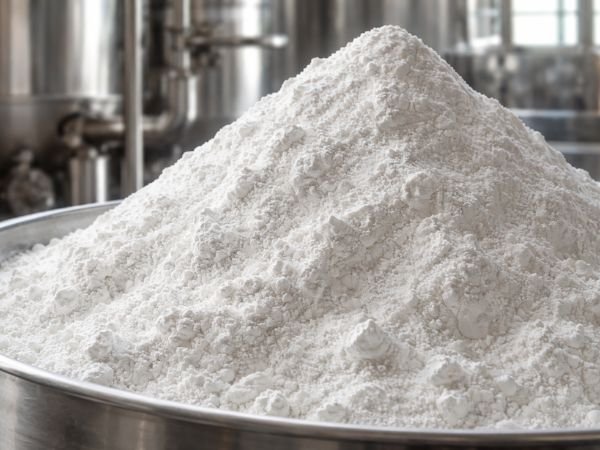
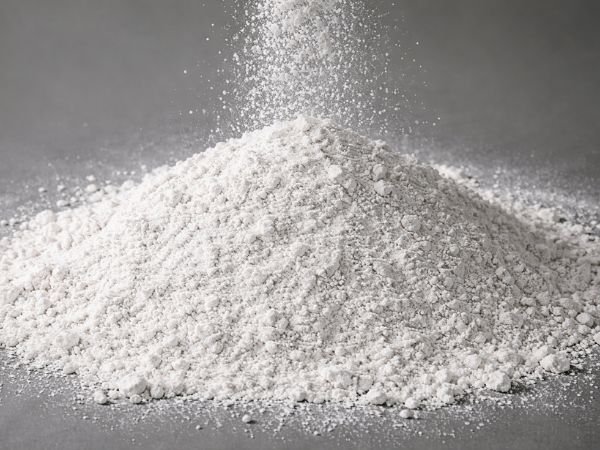
Slaked lime, commonly called hydrated lime, is a fine white powder formed when quicklime (calcium oxide) reacts with water. This chemical reaction produces calcium hydroxide – Ca(OH)₂, a highly alkaline compound used across multiple industries.
Chemical Reaction
Quicklime + Water → Slaked Lime
CaO + H₂O → Ca(OH)₂
This reaction transforms quicklime into a more stable and reactive compound suitable for water purification, construction, environmental treatment, and industrial manufacturing.
Key Properties of Slaked Lime
- Strong alkaline compound
- High pH level (around 12)
- Excellent neutralizing ability
- Highly reactive with impurities and acidic compounds
- Effective in soil stabilization processes
Because of these properties, slaked lime remains one of the most reliable materials used in water treatment plants and construction engineering.
Why Slaked Lime Is Essential in Water Treatment
Water treatment systems must remove harmful impurities while maintaining balanced chemical conditions. Slaked lime plays a central role in this process by increasing alkalinity and enabling contaminants to separate from water.
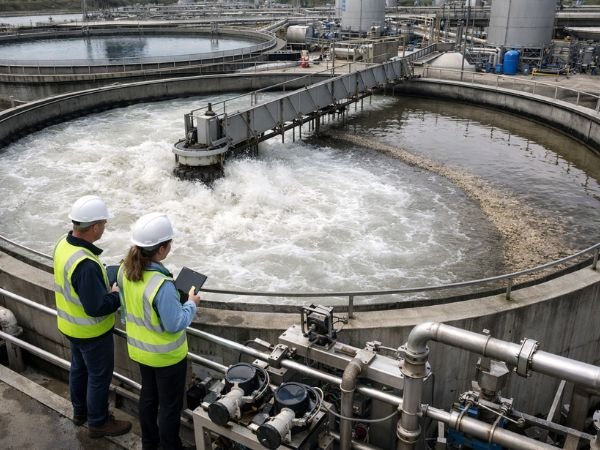
Because of its chemical properties, lime is widely used in municipal water treatment plants, industrial wastewater facilities, and environmental remediation systems.
Key Functions in Water Treatment
1. pH Adjustment
Water sources sometimes contain acidic compounds that can damage pipelines or treatment equipment. Slaked lime raises the pH level and neutralizes acidic water.
2. Removal of Heavy Metals
Certain metals remain dissolved in water under acidic conditions. When lime increases alkalinity, these metals form solid compounds that can be removed easily.
3. Hard Water Treatment
Hard water contains dissolved calcium and magnesium salts. Slaked lime reacts with these minerals and converts them into insoluble particles that settle out.
4. Coagulation and Clarification
Lime helps suspended particles combine into larger clusters, making them easier to remove during sedimentation and filtration.
5. Wastewater Treatment
Industrial wastewater often contains toxic contaminants. Lime neutralizes these pollutants and stabilizes sludge produced during treatment.
How Slaked Lime Removes Impurities from Water
The purification process using slaked lime is based on chemical neutralization and precipitation reactions.
Step 1: Increasing Alkalinity
When slaked lime dissolves in water, it releases hydroxide ions that raise the pH level.
Step 2: Precipitation of Contaminants
Many dissolved metals react with hydroxide ions to form insoluble compounds.
Step 3: Particle Formation
The insoluble compounds combine with suspended impurities to form larger particles.
Step 4: Sedimentation
These particles settle at the bottom of treatment tanks.
Step 5: Filtration
Remaining particles are removed through filtration systems, resulting in cleaner and safer water.
This process allows water treatment plants to achieve effective impurity removal and improved water clarity.
Role of Slaked Lime in Improving Construction Quality
In construction and civil engineering, soil stability directly affects the durability of structures. Weak or expansive soil can cause foundation damage, cracks in roads, and structural settlement.
Slaked lime improves soil characteristics through chemical reactions that strengthen the soil and reduce moisture sensitivity.
Key Construction Benefits
Soil Stabilization
Lime reacts with clay minerals and reduces soil expansion and shrinkage.
Improved Workability
Clay soils become easier to compact and shape during construction.
Higher Load-Bearing Capacity
Lime-treated soil can support heavier structures such as buildings, highways, and bridges.
Reduced Water Sensitivity
Lime-treated soils absorb less moisture, preventing weakening during rainy conditions.
Long-Term Strength
Chemical reactions between lime and soil create cement-like compounds that strengthen the ground over time.
Construction companies across India use high-quality lime products supplied by Shri Jodhpur Lime, ensuring consistent results in infrastructure development projects.
How Slaked Lime Strengthens Soil for Infrastructure
Soil stabilization using lime is widely used in civil engineering and road construction projects.
Common Infrastructure Applications
Highway and Road Construction
Lime-treated soil provides a strong base layer that improves road durability and reduces maintenance.
Building Foundations
Weak soil beneath foundations can be stabilized using lime to prevent settlement issues.
Railway and Embankment Construction
Infrastructure projects often require stable embankments, which lime stabilization helps achieve.
Rural Infrastructure Development
Lime stabilization is commonly used in rural road construction where natural soil conditions may be weak.
The use of high-quality lime supplied by Shri Jodhpur Lime helps engineers achieve stronger and longer-lasting infrastructure foundations.
Advantages of Using High-Quality Slaked Lime
Not all lime products deliver the same performance. Industrial users benefit from lime that has high purity and consistent chemical composition.
Benefits of High-Quality Lime
- Faster chemical reaction in water treatment
- More efficient removal of contaminants
- Stronger soil stabilization results
- Reduced material wastage
- Reliable performance in large-scale projects
Shri Jodhpur Lime focuses on supplying premium-grade lime products across India, supporting industries that require dependable materials for water treatment and construction applications.
Industries That Depend on Slaked Lime
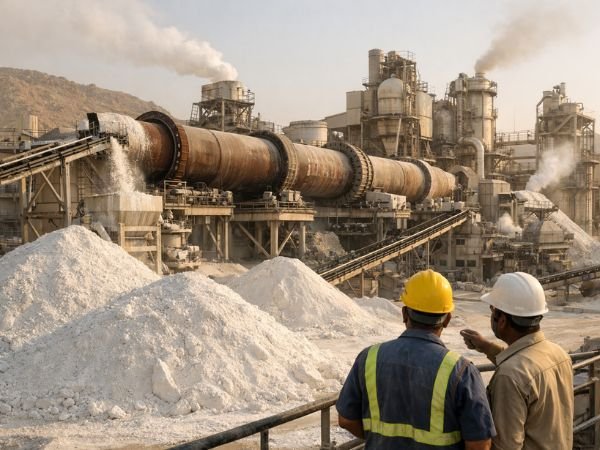
Because of its versatile chemical properties, slaked lime is widely used across multiple sectors.
Major Industries Using Slaked Lime
Water Treatment Plants
Municipal and industrial water systems use lime to purify water and control pH.
Construction and Infrastructure
Civil engineering projects rely on lime for soil stabilization and road base strengthening.
Steel Industry
Lime helps remove impurities during steel manufacturing.
Environmental Management
Industries use lime to neutralize acidic waste and treat industrial emissions.
Chemical Manufacturing
Calcium hydroxide is used in various chemical production processes.
As a supplier, Shri Jodhpur Lime provides lime products to industries and infrastructure projects across multiple states, ensuring consistent supply and quality.
Environmental Benefits of Slaked Lime
In addition to industrial applications, slaked lime also contributes to environmental protection.
Pollution Control
Lime neutralizes acidic industrial waste before it enters water systems.
Wastewater Treatment
It removes harmful metals and improves the safety of treated wastewater.
Air Pollution Reduction
Certain industrial facilities use lime to reduce sulfur emissions from flue gases.
Sustainable Construction
Lime stabilization can reduce the need for excessive cement usage in soil treatment projects.
These environmental benefits make slaked lime an important material in sustainable industrial practices.
Choosing the Right Slaked Lime Supplier
Selecting the right supplier ensures consistent product performance and reliable delivery for industrial operations.
Factors to Consider
Product Purity
Higher calcium hydroxide content improves efficiency in water treatment and soil stabilization.
Manufacturing Expertise
Experienced manufacturers ensure consistent quality.
Reliable Supply Chain
Industries require uninterrupted supply for large-scale projects.
Packaging and Handling
Proper packaging prevents contamination and moisture absorption.
Industry Reputation
Suppliers with a proven track record offer better reliability.
Companies like Shri Jodhpur Lime, known as a trusted lime supplier, provide industries with dependable lime products for water treatment, construction, and industrial processes.
Conclusion
Slaked lime continues to be an essential material in both water purification and construction engineering. Its ability to remove impurities, adjust water chemistry, and stabilize soil makes it indispensable for industries focused on public health, environmental protection, and infrastructure durability.
With reliable supply and consistent quality, Shri Jodhpur Lime supports industries across the country by providing high-quality slaked lime and other lime products across India. From water treatment plants to large-scale construction projects, the use of premium lime materials ensures better efficiency, stronger infrastructure, and cleaner water systems.
Frequently Asked Questions
Q1. What is slaked lime used for in water treatment?
Answer: Slaked lime is used to adjust pH levels, remove heavy metals, soften hard water, and help suspended particles settle. These reactions improve water clarity and make purification processes more efficient.
Q2. How does slaked lime purify water?
Answer: Slaked lime raises the pH level and triggers chemical reactions that convert dissolved contaminants into solid particles. These particles settle during sedimentation and are removed through filtration.
Q3. Is slaked lime used in construction?
Answer: Yes, slaked lime is widely used for soil stabilization and infrastructure development. It improves soil strength, reduces plasticity, and increases load-bearing capacity for roads and foundations.