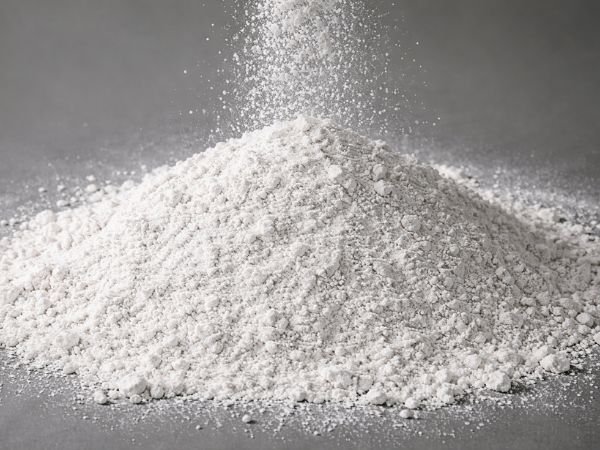


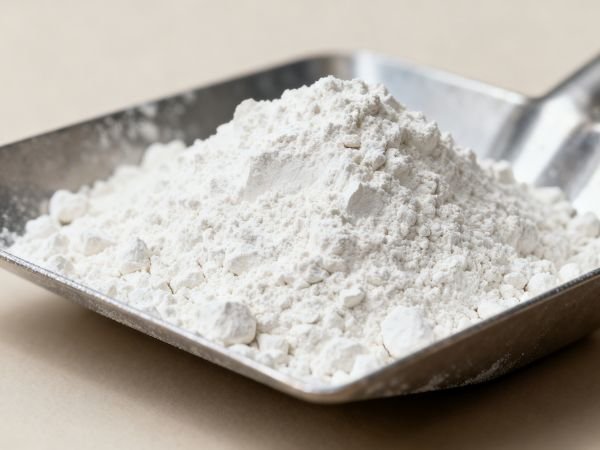
High quality hydrated lime can be identified by checking the purity of calcium hydroxide (Ca(OH)₂), particle size, whiteness, and chemical consistency. Premium industrial hydrated lime usually contains 90–95% Ca(OH)₂, has a fine mesh powder texture, and meets IS or ASTM quality standards. Reliable hydrated lime manufacturers also provide laboratory reports and consistent supply quality.
Hydrated lime plays a critical role in several industrial processes. From water treatment plants and steel production to construction materials and environmental treatment systems, industries rely on lime for chemical reactions that must be stable, predictable, and efficient.
Because of this, the quality of hydrated lime directly affects operational performance.
When industries unknowingly purchase low-grade lime, the results often appear quickly. Water treatment plants may struggle to maintain pH balance, chemical processes may require higher dosage levels, and construction materials may lose strength or consistency. These problems increase operational costs and disrupt production.
For procurement managers and industrial buyers, selecting high quality hydrated lime for industrial use is not just about price. It requires understanding the chemical composition, purity levels, and reliability of the supplier.
This guide explains how to identify premium hydrated lime, what standards buyers should look for, and how to avoid low-grade suppliers.
Understanding What is Hydrated Lime
Hydrated lime is a chemical compound widely used across industrial sectors. Its scientific name is calcium hydroxide, and its chemical formula is Ca(OH)₂.
The material is produced from natural limestone through a controlled chemical process.
Manufacturing Process
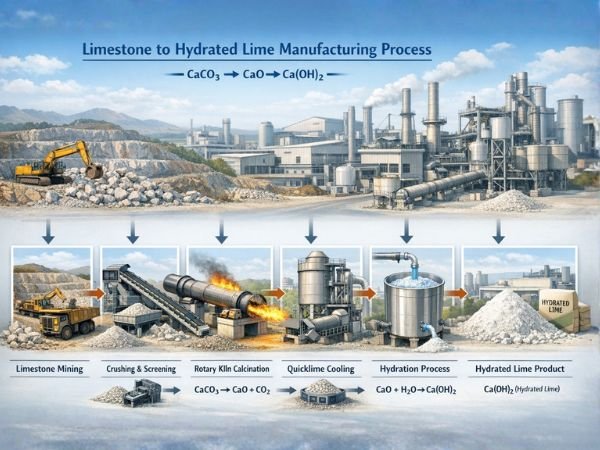
The production of hydrated lime involves three primary steps.
First, limestone (calcium carbonate) is heated in large kilns at temperatures above 900°C. This process removes carbon dioxide and produces quicklime (CaO).
Next, the quicklime is carefully combined with water in a process called hydration. During this reaction, quicklime transforms into calcium hydroxide, releasing heat.
Finally, the hydrated lime is processed into fine industrial lime powder and classified according to particle size or mesh.
High-quality lime production depends heavily on the purity of the original limestone and the control of the manufacturing process.
Why Hydrated Lime Quality Matters in Industrial Applications
Industries use hydrated lime because of its ability to neutralize acids, control pH levels, and react with various chemical compounds. When the lime quality is poor, these reactions become inefficient.
Water Treatment
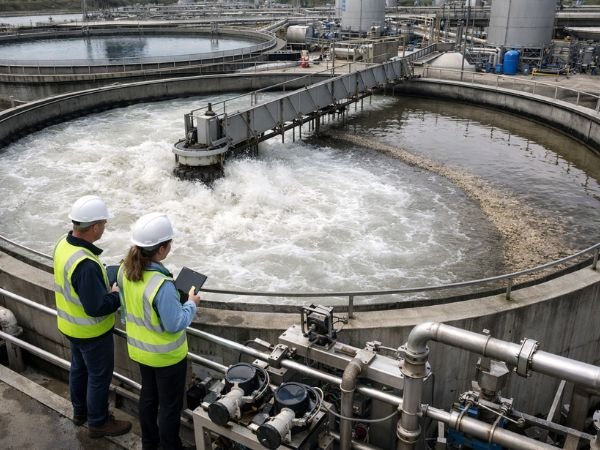
In water treatment facilities, hydrated lime is used to adjust pH levels and remove impurities such as heavy metals and dissolved solids. High purity lime reacts quickly and improves the efficiency of the treatment process.
If the lime contains excessive impurities, the plant may require higher chemical dosage, increasing operational costs.
Steel Manufacturing
Steel manufacturers rely on lime as a fluxing agent that removes impurities during metal refining. High quality lime improves slag formation and helps produce cleaner steel.
Low-grade lime introduces unwanted materials into the process, which can affect the quality of the final metal.
Construction Industry
Hydrated lime has long been used in mortars, plasters, and soil stabilization. Fine white hydrated lime improves workability and enhances bonding strength in construction materials.
Chemical Manufacturing
Many chemical industries depend on hydrated lime for precipitation reactions and neutralization processes. Inconsistent lime composition can lead to unstable chemical reactions.
Environmental Treatment
Hydrated lime is widely used in flue gas treatment, wastewater purification, and environmental remediation. Its effectiveness depends on high reactivity and purity.
Key Characteristics of High Quality Hydrated Lime
Industrial buyers can evaluate hydrated lime quality by observing several physical and chemical characteristics.
High Calcium Hydroxide Content
The most important indicator of quality is the percentage of calcium hydroxide (Ca(OH)₂) in the product.
Industrial grade hydrated lime typically contains 90–95% Ca(OH)₂. Higher purity results in stronger chemical reactions and reduced consumption during industrial use.
Fine Particle Size
High quality hydrated lime is usually processed into fine powder with controlled mesh size, commonly around 200–300 mesh.
Fine particles increase the surface area of the lime, allowing faster and more efficient chemical reactions.
Bright White Appearance
Premium hydrated lime is usually bright white in color. A grey or dull appearance may indicate contamination with clay, silica, or other impurities.
Low Impurity Levels
The presence of materials such as silica, magnesium, or unburnt limestone reduces the effectiveness of lime in industrial reactions.
Trusted hydrated lime manufacturers maintain strict quality control to minimize impurities.
High Reactivity
Reactivity determines how quickly hydrated lime reacts when introduced into water or other chemicals. Highly reactive lime improves the efficiency of industrial processes such as wastewater treatment.
Consistent Chemical Composition
Industries depend on consistent chemical composition across batches. Reliable manufacturers ensure uniform product quality through controlled production methods.
Industry Standards and Specifications for Hydrated Lime
Industrial buyers should always verify that the lime product meets recognized quality standards.
In India, hydrated lime is commonly evaluated according to IS 1540 standards, which define acceptable limits for chemical composition and physical properties.
Internationally, many industries refer to ASTM C977 standards, which outline specifications for chemical purity, fineness, and moisture levels.
Typical quality benchmarks for hydrated lime include the following parameters.
| Property | High Quality Hydrated Lime | Low Quality Hydrated Lime |
| Ca(OH)₂ Content | 90–95% | 70–85% |
| Color | Bright white | Grey or dull |
| Particle Size | Fine mesh | Coarse particles |
| Reactivity | High | Low |
| Impurity Level | Very low | High |
Moisture content is also important. Industrial hydrated lime usually contains less than 2% moisture to prevent clumping and maintain stability during storage.
Simple Tests to Identify High Quality Hydrated Lime
Even before laboratory testing, buyers can perform several simple checks to assess lime quality.
Visual Inspection
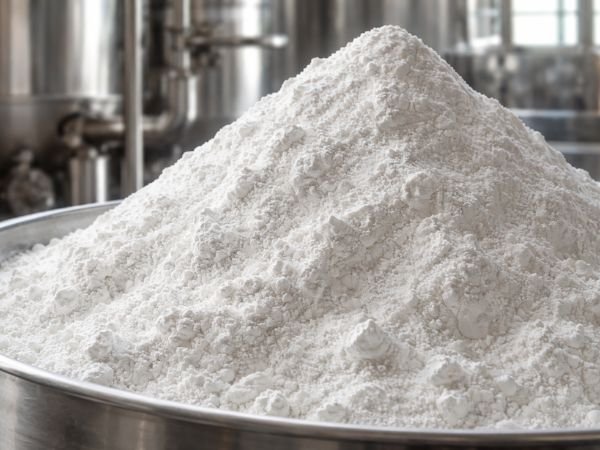
High quality hydrated lime appears as a smooth, uniform white powder. The material should be free from visible impurities and should not contain hardened lumps.
Lumps often indicate moisture exposure or improper storage conditions.
Laboratory Chemical Analysis
For accurate verification, industries often conduct chemical composition tests in laboratories. These tests determine the exact Ca(OH)₂ percentage and identify any impurities.
Reactivity Check
A quick field test involves mixing a small quantity of hydrated lime with water. High quality lime reacts quickly and forms a smooth slurry, indicating strong chemical activity.
Settling Observation
When mixed with water, premium lime forms a uniform suspension before gradually settling. Low quality lime often separates quickly or leaves heavy residue at the bottom.
Common Mistakes Buyers Make When Purchasing Hydrated Lime
Many industrial buyers focus mainly on price, which can lead to quality issues.
One of the most common mistakes is choosing the cheapest supplier without reviewing chemical specifications. Low-cost lime often contains higher impurity levels, which reduces efficiency and increases consumption.
Another common problem is failing to verify the credibility of the supplier. Reliable hydrated lime manufacturers maintain strict quality control systems, provide laboratory reports, and ensure consistent production standards.
Some buyers also skip independent laboratory testing before large bulk orders. Verifying quality before long-term procurement agreements can prevent costly operational problems later.
Why Hydrated Lime from Rajasthan is Considered High Quality
India’s Rajasthan region, particularly the Jodhpur belt, is widely known for its high-quality limestone deposits. This geological advantage has made the region one of the most important centers for lime production.
The limestone found in this region typically contains high calcium carbonate content and minimal impurities, making it ideal for producing high purity hydrated lime.
Over decades, the region has developed strong expertise in lime manufacturing. Many hydrated lime manufacturers in Rajasthan combine traditional lime processing knowledge with modern production technology to produce consistent industrial-grade lime.
Because of this combination of mineral quality and manufacturing experience, hydrated lime from the Jodhpur region often shows better whiteness, higher Ca(OH)₂ purity, and stronger chemical reactivity compared to material produced in other regions.
Why Source Hydrated Lime from a Reliable Manufacturer
Choosing the right supplier is just as important as selecting the right chemical grade.
Reliable manufacturers control every stage of the production process, starting with raw material selection and continuing through kiln operation, hydration, grinding, and packaging.
Quality-focused manufacturers also maintain laboratory testing facilities to ensure that each batch meets required chemical specifications.
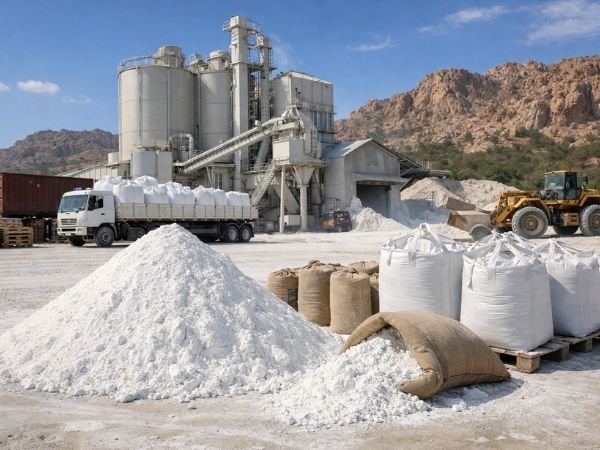
Logistics and supply consistency are another important factor for industrial buyers. Large manufacturing plants need uninterrupted supply of lime to maintain production stability.
Companies such as Shri Jodhpur Lime focus on maintaining consistent lime quality, controlled production processes, and reliable delivery systems for industries that depend on high purity hydrated lime.
Final Thoughts
Selecting high quality hydrated lime is essential for industries that depend on precise chemical reactions and consistent production results. Factors such as calcium hydroxide purity, particle size, reactivity, and supplier reliability play a major role in determining the effectiveness of lime in industrial processes.
Regions like Rajasthan’s Jodhpur belt, known for high-grade limestone reserves, have long been associated with premium lime production. Experienced hydrated lime manufacturers in this region produce lime with high purity and strong chemical performance.
For industries seeking reliable supply and consistent product quality, sourcing from established manufacturers such as Shri Jodhpur Lime can help ensure stable performance across water treatment, construction, environmental treatment, and chemical applications.
Frequently Asked Questions
Q1. What is the purity of industrial hydrated lime?
Answer: Industrial hydrated lime generally contains between 90% and 95% calcium hydroxide (Ca(OH)₂). Higher purity improves chemical reactivity and reduces the amount of lime required in industrial processes such as water treatment or steel manufacturing.
Q2. How do you test hydrated lime quality?
Answer: Hydrated lime quality can be evaluated through laboratory chemical analysis, particle size testing, and reactivity tests. Visual inspection and slurry testing are also commonly used as preliminary checks before laboratory verification.
Q3. What industries use hydrated lime?
Answer: Hydrated lime is used in several industries including water treatment, steel production, construction, environmental pollution control, and chemical manufacturing. Its ability to neutralize acids and adjust pH makes it highly valuable in industrial applications.
Q4. What is the difference between quicklime and hydrated lime?
Answer: Quicklime is calcium oxide (CaO) produced by heating limestone. When quicklime reacts with water, it forms hydrated lime, also known as calcium hydroxide (Ca(OH)₂). Hydrated lime is easier and safer to handle in industrial processes.
Q5. What mesh size is ideal for industrial hydrated lime?
Answer: Most industrial applications prefer hydrated lime with a particle size of around 200–300 mesh. Finer particles improve chemical reactivity and ensure better mixing during industrial processes.