



Table of Content
- Introduction: Why Purity Matters in Calcium Hydroxide Powder
- Understanding Purity Levels: What Do They Actually Mean?
- Different Grades of Calcium Hydroxide and Their Uses
- How to Read Purity on Product Labels
- Factors to Consider When Choosing Calcium Hydroxide Powder
- Why Shri Jodhpur Lime is Trusted for High-Purity Lime Products
- Purity Levels vs Applications
- FAQs
Introduction: Why Purity Matters in Calcium Hydroxide Powder
When it comes to materials like calcium hydroxide powder, purity isn’t just a technical detail it directly affects how the material performs in construction, restoration, and lime finishing.
Whether you’re restoring a heritage building, applying lime plaster, or preparing a traditional lime wash, the purity level of the powder influences everything from bonding strength to visual finish and longevity.
Choosing the right grade of lime can save you from future maintenance hassles, poor adhesion, or surface degradation. This guide will walk you through how to identify and choose the right calcium hydroxide based on its purity percentage, ensuring you pick what’s best for your project.
Understanding Purity Levels: What Do They Actually Mean?
Purity level refers to the percentage of actual calcium hydroxide (Ca(OH)₂) present in the powder compared to other compounds like magnesium oxide, silica, or moisture.
For example:
- High-purity (90% and above): Minimal impurities, ideal for lime plaster, limewash, and restoration.
- Medium-purity (80–89%): Often used for general construction or whitewash.
- Low-purity (<80%): May be used in agriculture or basic masonry, but not ideal for fine finishes or conservation work.
Impurities can cause issues like:
- Reduced setting time
- Poor adhesion
- Flaky surfaces over time
- Discoloration
Different Grades of Calcium Hydroxide and Their Uses
Here’s a quick breakdown of how different purity grades are used in real-life applications:
| Purity Range | Application | Recommended For |
| 90–95% | Lime plaster, limewash, conservation | Heritage restoration, fine surface finishing |
| 85–89% | General masonry, internal whitewashing | Standard building repairs |
| 75–84% | Agricultural lime, pH correction | Soil treatment, non-decorative use |
Pro tip: For heritage structures or exposed finishes, always go for high-purity calcium hydroxide powder with minimal impurities and consistent fineness.
How to Read Purity on Product Labels
Most reputable manufacturers list purity on their product packaging or technical data sheets. Here’s what to look for:
- Ca(OH)₂ content (usually in %)
- Loss on Ignition (LOI) lower LOI means fewer carbonates/impurities
- Moisture content high moisture reduces shelf life
- Mesh size indicates how fine the powder is, which affects smoothness in application
If the purity isn’t clearly mentioned, or if there’s no lab certification, it’s a red flag. Always request a product data sheet or lab test certificate, especially for restoration or conservation projects.
Factors to Consider When Choosing Calcium Hydroxide Powder
Here are key considerations to make the right choice:
- End Use: Lime plaster and limewash need higher purity. For general masonry, medium grades might suffice.
- Project Type: For listed or heritage buildings, only use verified high-purity lime.
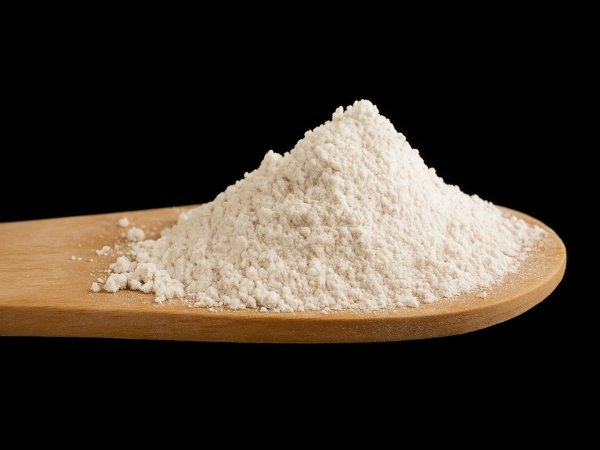
- Consistency: Check for uniform particle size and smooth texture coarse or gritty powders indicate poor quality.
- Source: Reputable Calcium Hydroxide manufacturers in India, like Shri Jodhpur Lime, offer traceable and lab-tested materials.
- Storage & Packaging: Good packaging prevents contamination from moisture and CO₂ in the air, which degrades quality over time.
Why Shri Jodhpur Lime is Trusted for High-Purity Lime Products
Shri Jodhpur Lime has been a consistent name among calcium hydroxide manufacturers in India, especially for customers who value heritage-grade lime products.
What sets them apart:
- Purity levels of up to 95%, ideal for restoration and traditional methods
- Lab-tested batches, ensuring reliability and consistency
- Sourced from Rajasthan, where lime has been naturally processed for generations
- Customisable mesh sizes for different application needs
Whether you’re looking for lime for conservation architecture, mud houses, or natural finishes, Shri Jodhpur Lime is a go-to supplier known for quality and trust.
Purity Levels vs Best Uses
| Purity Level | Uses | Recommended Buyer |
| 90–95% | Lime plaster, lime wash, fresco work | Architects, conservationists, artisans |
| 85–89% | Interior lime coating, general walls | Builders, masons |
| <85% | Soil treatment, filler lime | Farmers, basic repair work |
FAQs
Q1. What purity of calcium hydroxide powder is best for lime plaster?
Answer: For lime plastering, always choose high-purity calcium hydroxide powder (90–95%). This ensures smoothness, good bonding, and durability without surface flaking.
Q2. Can I use agricultural-grade lime for building or plastering?
Answer: It’s not recommended. Agricultural lime usually has lower purity and coarser particles, which don’t adhere well and may degrade over time on walls.
Q3. How do I verify the purity level of calcium hydroxide powder?
Answer: Check the technical data sheet or lab test reports. Look for Ca(OH)₂ content, LOI, and mesh size. Reputed suppliers like Shri Jodhpur Lime provide these details upfront.
Q4. Why does high purity matter in restoration projects?
Answer: Impurities can chemically react over time, causing cracks, stains, or weak finishes. High-purity lime ensures chemical stability and historic authenticity.
Q5. Where can I find high-purity calcium hydroxide in India?
Answer: Shri Jodhpur Lime is one of the trusted calcium hydroxide manufacturers in India, supplying high-purity lime across the country for restoration and construction use.
Q6. Is calcium hydroxide the same as hydrated lime?
Answer: Yes, calcium hydroxide is commonly called hydrated lime or slaked lime. However, not all hydrated lime is of the same quality always check the purity and fineness.
Q7. How is calcium hydroxide powder stored to maintain purity?
Answer: It should be stored in moisture-proof, airtight containers. Exposure to air can cause it to react with CO₂ and turn into calcium carbonate, reducing effectiveness.
If you’re planning a project that depends on long-lasting, breathable lime finishes, always start with the right purity of calcium hydroxide powder and make sure your supplier is trusted and transparent.
For more details on high-grade lime products, visit the Shri Jodhpur Lime Product Page.