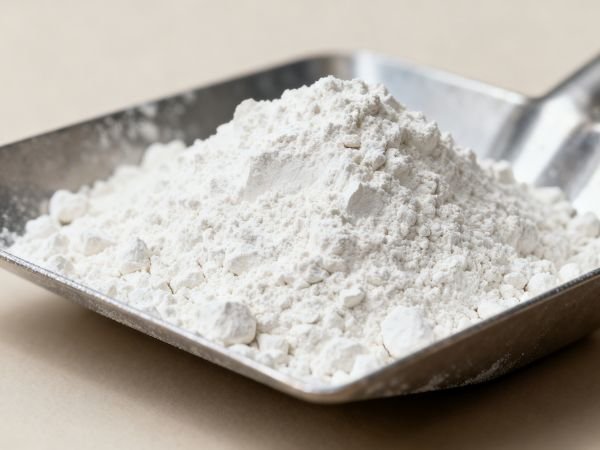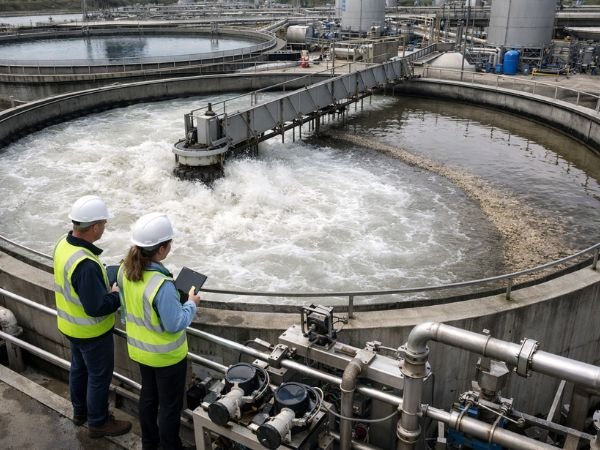


Industrial wastewater is not just dirty water it carries chemicals, heavy metals, acids, and harmful impurities that can damage soil, rivers, and public health if released untreated. This is where effluent treatment plants (ETPs) play a critical role.
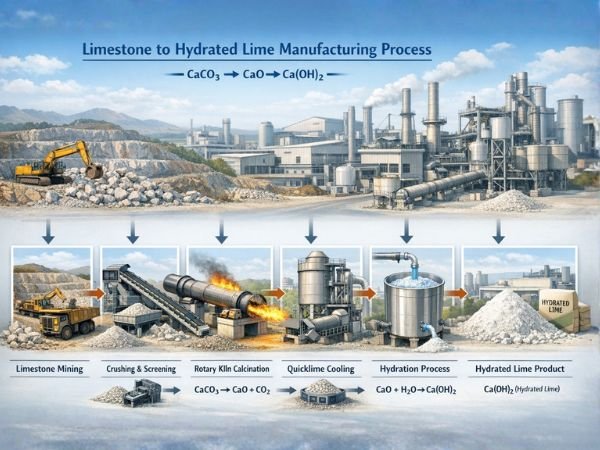
Among all treatment chemicals used in ETPs, Calcium Hydroxide Powder has earned a trusted place for being reliable, effective, and economical. From neutralising acidic wastewater to improving sludge settling, lime-based treatment has been a backbone of industrial wastewater management for decades.
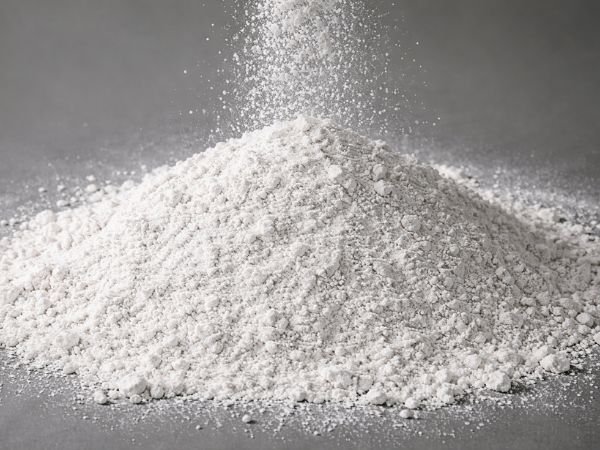
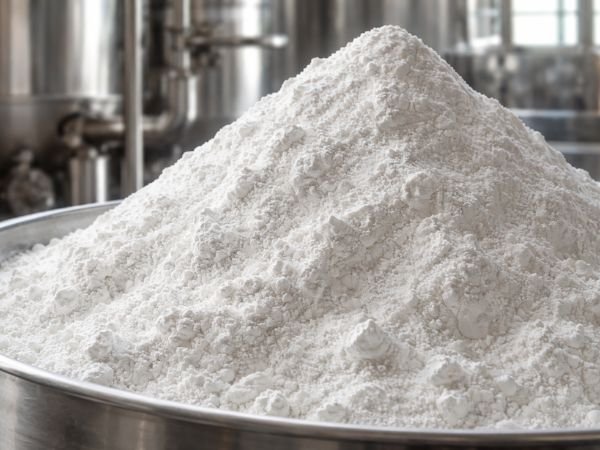
This guide explains why calcium hydroxide powder is preferred in effluent treatment plants, how it works, and why industries across India continue to rely on high-quality lime from trusted sources like Shri Jodhpur Lime.
Why pH Control Is the Backbone of Effluent Treatment
Most industrial effluents are acidic due to chemicals used in manufacturing processes. If this acidic water enters biological treatment systems or natural water bodies, it can:
- Kill beneficial bacteria
- Corrode pipelines and tanks
- Fail pollution control board norms
Alkaline chemicals are used to bring wastewater pH back to a safe range. Among them, calcium hydroxide powder is preferred because it provides stable pH correction without sudden fluctuations.
How Calcium Hydroxide Powder Works Inside an ETP
When added to wastewater, calcium hydroxide reacts with acids and harmful dissolved compounds. This reaction:
- Raises pH to a neutral or slightly alkaline level
- Helps heavy metals form insoluble precipitates
- Improves coagulation and flocculation
Because of this multi-functional behaviour, calcium hydroxide powder for effluent treatment is used at multiple stages of ETP operations.
Key Benefits of Using Calcium Hydroxide Powder for Effluent Treatment
Strong and Controlled Alkalinity
Calcium hydroxide delivers consistent alkalinity, making it easier to maintain optimal pH levels compared to liquid chemicals.
Effective Heavy Metal Removal
Metals like chromium, lead, and iron precipitate efficiently in the presence of lime, simplifying sludge separation.
Cost-Effective for Large-Scale Operations
Compared to many industrial wastewater treatment chemicals, lime is economical and works well even at high effluent volumes.
Safer Handling Than Many Alternatives
In powder form, it is easier to store and transport than corrosive liquid alkalis.
Common Calcium Hydroxide Uses in ETPs
- Neutralisation of acidic industrial wastewater
- Precipitation of heavy metals
- Odour control in effluent channels
- Sludge conditioning and dewatering
- Supporting biological treatment by stabilising pH
These calcium hydroxide powder uses make it a versatile solution across industries like textiles, chemicals, pharmaceuticals, sugar mills, and food processing units.
Lime Dosing in Effluent Treatment Plants: Practical Insights
Correct dosing is essential for efficiency and compliance. Lime dosing in effluent treatment plants depends on:
- Influent pH and acidity
- Type of industrial discharge
- Flow rate and treatment stage
Over-dosing can increase sludge volume, while under-dosing leads to poor treatment. High-purity lime from reliable suppliers ensures predictable results and easier process control.
Calcium Hydroxide vs Other Industrial Wastewater Treatment Chemicals
| Parameter | Calcium Hydroxide Powder | Sodium Hydroxide | Soda Ash |
| Cost efficiency | High | Moderate | Moderate |
| Heavy metal removal | Excellent | Limited | Limited |
| Sludge settling | Improves | Poor | Average |
| Storage & handling | Safe & dry | Corrosive liquid | Hygroscopic |
| Suitability for ETPs | Very high | Selective | Limited |
This comparison explains why lime remains the preferred choice in most ETP designs.
Why Source Matters When Choosing an ETP Lime Manufacturer
Not all lime is the same. Impurities, inconsistent particle size, or low reactivity can reduce treatment efficiency. A reliable ETP lime manufacturer ensures:
- High calcium content
- Consistent quality batches
- Better solubility and reaction speed
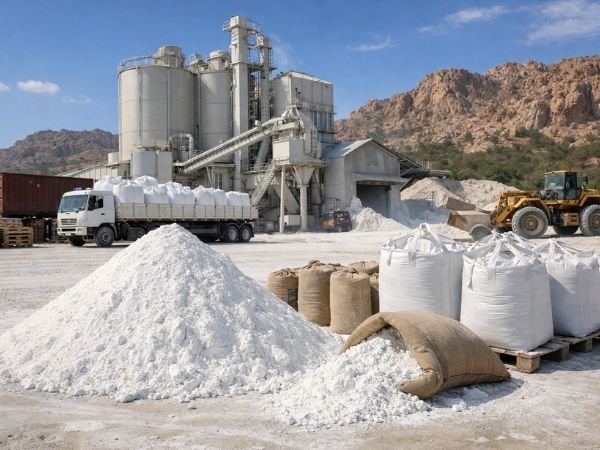
Suppliers like Shri Jodhpur Lime are known for producing high-grade calcium hydroxide suitable for demanding industrial wastewater applications.
FAQs
Q1. Why is calcium hydroxide powder better than liquid alkalis in ETPs?
Answer: Calcium hydroxide powder provides controlled alkalinity, better heavy metal removal, and improved sludge settling. Unlike liquid alkalis, it is easier to store, safer to handle, and more economical for continuous industrial use.
Q2. Can calcium hydroxide be used in biological effluent treatment?
Answer: Yes. Maintaining stable pH is essential for bacterial activity. Calcium hydroxide helps create a favourable environment for microorganisms without causing sudden pH shocks.
Q3. Is calcium hydroxide suitable for all industries?
Answer: It is widely used in textiles, chemicals, pharmaceuticals, food processing, and sugar industries. However, dosing and application should be customised based on effluent characteristics.
Q4. Does lime increase sludge volume in ETPs?
Answer: Lime does generate sludge, but it also improves sludge stability and dewatering. Proper dosing helps manage sludge volume effectively.
Q5. How does lime help in heavy metal removal?
Answer: Calcium hydroxide raises pH, causing metals to precipitate as insoluble hydroxides. These solids are then easily removed during clarification.