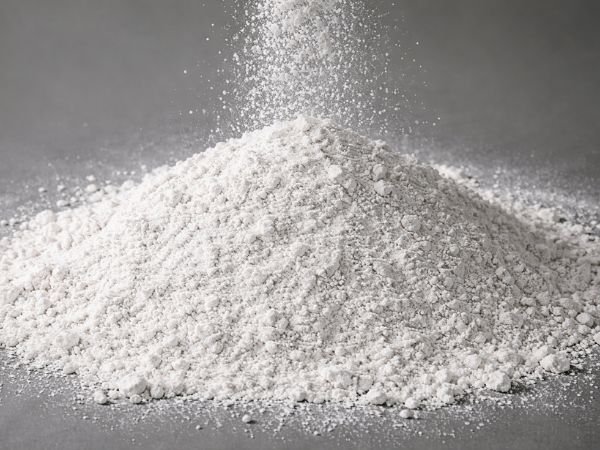



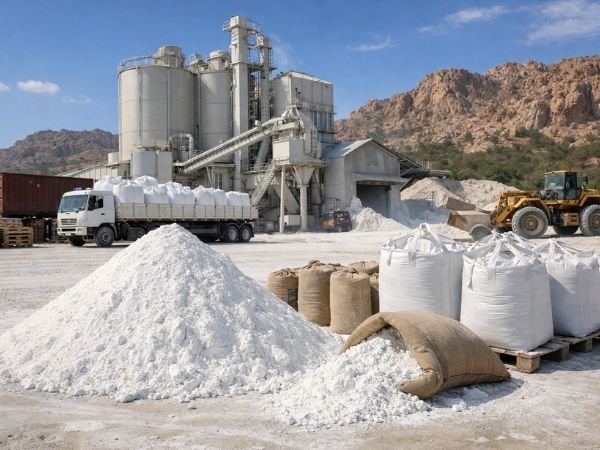
Shri Jodhpur Lime is a Rajasthan-based manufacturer and exporter of high-grade lime products serving domestic and international industries. With access to premium limestone reserves and controlled production methods, the company supplies Hydrated Lime, Quick Lime Powder, Limestone Lumps, and Quick Lime (Calcium Liner) that meet industrial and export standards.
This article explains why Rajasthan is known for lime production, how quality standards are maintained, and what industries look for when selecting a reliable lime exporter.
Rajasthan and Its Geological Advantage in Lime Production
Rajasthan holds some of India’s richest limestone deposits. The mineral composition found in the Jodhpur region contains high calcium content with relatively low impurities. This geological advantage allows manufacturers to produce lime with higher CaO percentages and stable chemical behavior.
The quality of raw limestone directly influences:
- Reactivity of quick lime
- Purity level of hydrated lime
- Performance in steel and metallurgical processes
- Consistency in construction and environmental applications
The state’s mining infrastructure and proximity to key transport routes further support large-scale industrial supply and exports.
Understanding Lime and Its Industrial Importance
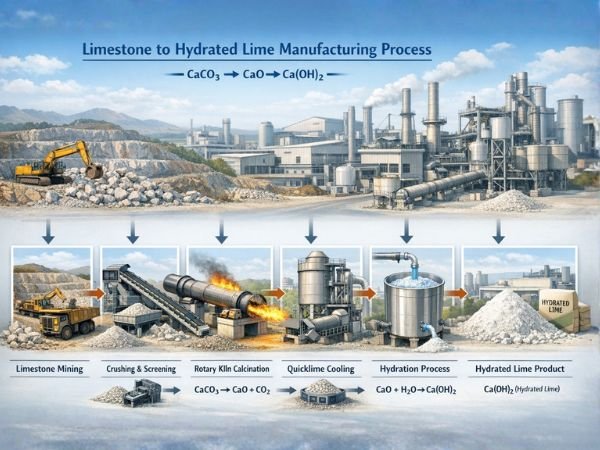
Lime is derived from limestone through controlled heating in kilns. The chemical transformation process removes carbon dioxide and produces calcium oxide, commonly known as quick lime.
When water is added to quick lime under controlled conditions, it forms calcium hydroxide, also known as hydrated lime or slaked lime.
These products are not interchangeable. Each has specific industrial applications depending on chemical reactivity, particle size, and purity requirements.
Industries use lime for:
- Steel refining and slag formation
- Wastewater treatment and pH control
- Soil stabilization
- Chemical manufacturing
- Sugar refining
- Construction mortar preparation
The efficiency of these applications depends heavily on lime quality.
Manufacturing Process and Quality Control
The manufacturing process begins with the selection of limestone from reliable reserves. Proper screening ensures minimal contamination before the material enters the kiln.
The production process generally involves:
- Selection and grading of limestone
- Controlled calcination at regulated temperatures
- Cooling and stabilization
- Crushing or pulverising, depending on final product
- Hydration process (for hydrated lime)
- Final screening and testing
Temperature control in the kiln is critical. Underburned lime may lack reactivity, while overburned lime can reduce efficiency in industrial reactions.
Each batch is tested for chemical composition, moisture content, and particle size distribution. Consistency in these parameters ensures reliable industrial performance.
Technical Specifications of Major Lime Products
Below is a general technical overview of commonly supplied lime products. Actual specifications may vary depending on client requirements and industry use.
| Product Name | Chemical Form | Typical CaO Content | Form | Major Applications |
| Quick Lime (Calcium Oxide) | CaO | 85% – 92% | Lumps / Powder | Steel plants, metallurgical industries |
| Hydrated Lime / Slaked Lime | Ca(OH)₂ | 65% – 75% available CaO | Fine Powder | Water treatment, construction, chemicals |
| Limestone Lumps | CaCO₃ | 90% – 95% purity | Natural Lumps | Cement, steel, industrial processing |
| Quick Lime Powder | CaO | 85% – 90% | Fine Powder | Chemical manufacturing, environmental use |
Maintaining these specifications requires controlled raw material sourcing and precise kiln operation.
Hydrated Lime / Slaked Lime: Controlled Hydration Matters
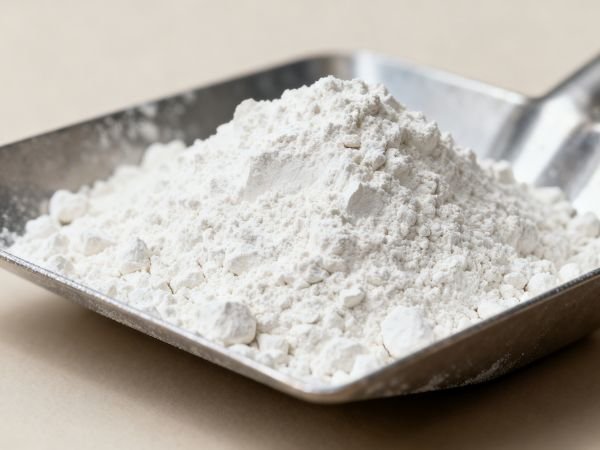
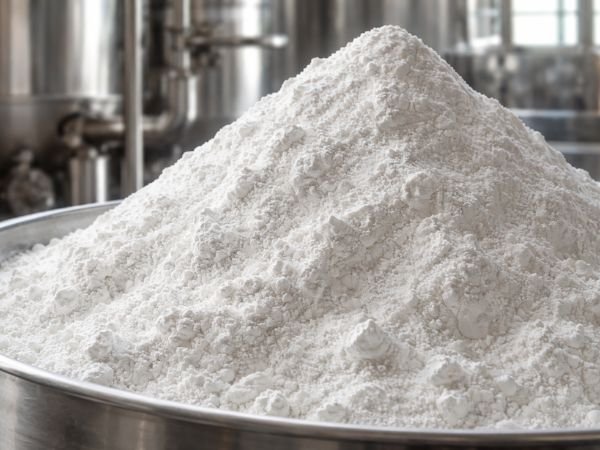
Hydrated lime is produced by adding measured amounts of water to quick lime. The hydration reaction must be carefully managed to avoid excess moisture and lump formation.
Well-processed hydrated lime offers:
- Uniform particle size
- Stable chemical behavior
- Improved solubility in water treatment processes
- Better binding properties in construction
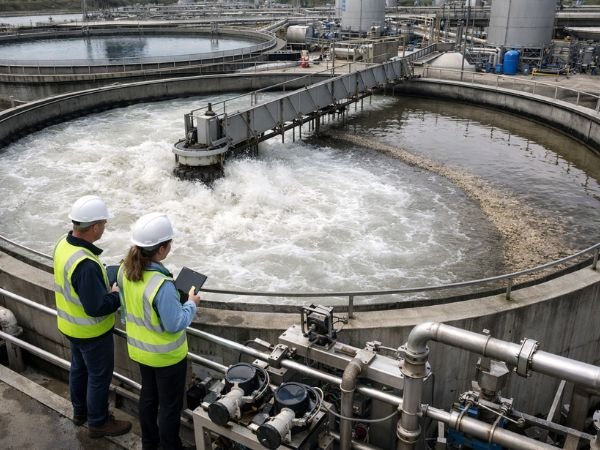
Industries such as wastewater treatment plants rely on hydrated lime for pH correction and removal of heavy metals. In construction, it improves mortar workability and durability.
Quick Lime Powder: Reactivity and Industrial Efficiency
Quick lime powder is widely used in metallurgical operations, especially in steel manufacturing. During the refining process, it helps remove impurities such as silica, sulfur, and phosphorus by forming slag.
High reactivity is essential in such applications. Factors influencing reactivity include:
- CaO purity
- Calcination temperature
- Surface area of particles
- Storage conditions
Moisture exposure can reduce effectiveness. Therefore, proper packaging and transportation play an important role in maintaining product integrity.
Limestone Lumps: Foundation of Lime Manufacturing
Limestone is the base material from which lime products are derived. The quality of limestone determines the final output’s chemical strength and reliability.
High-grade limestone from Rajasthan typically contains low levels of magnesium and silica, making it suitable for:
- Cement production
- Flux material in steel plants
- Chemical processing
- Glass manufacturing
Uniform sizing and minimal contamination improve processing efficiency in downstream industries.
Quick Lime (Calcium Liner) in Metallurgical Processes
Quick Lime, often referred to as calcium liner in industrial settings, is essential in steel production. It assists in refining molten metal by binding unwanted impurities.
In steel plants, lime helps:
- Control slag chemistry
- Improve metal purity
- Reduce operational inefficiencies
- Maintain furnace stability
The chemical consistency of quick lime directly affects steel quality and production cost.
Global Quality Standards and Export Compliance
Exporting lime products requires adherence to international standards. Buyers often request chemical analysis reports, moisture level documentation, and particle size distribution details.
To maintain export readiness, suppliers focus on:
- Consistent batch testing
- Proper storage conditions
- Contamination-free packaging
- Accurate export documentation
Packaging options may include HDPE bags, jumbo bags, and bulk loading depending on shipment size.
Meeting delivery timelines is equally important. Industrial buyers operate on tight schedules, and supply disruptions can affect production cycles.
Industries That Depend on Reliable Lime Supply
Lime plays a foundational role in multiple industries.
In steel manufacturing, it acts as a flux to remove impurities and stabilize slag composition. In environmental management, it neutralizes acidic wastewater and helps in sludge treatment.
Construction companies use lime in soil stabilization and plaster preparation. Sugar industries apply lime in purification stages to remove non-sugar components.
Each sector requires specific chemical properties, which is why consistent quality becomes a critical factor when selecting a supplier.
Key Factors Buyers Consider When Choosing a Lime Exporter
Industrial procurement teams usually evaluate suppliers based on measurable parameters rather than promotional claims.
Common evaluation criteria include:
- Chemical purity and CaO percentage
- Production capacity
- Supply consistency
- Laboratory testing practices
- Logistics reliability
- Pricing stability
Exporters who provide transparent test reports and stable long-term supply tend to build stronger industry relationships.
Why Rajasthan Continues to Lead in Lime Exports
Rajasthan’s natural reserves, established mining network, and experienced workforce contribute to its position in the lime industry.
The region benefits from:
- Abundant high-calcium limestone
- Skilled labor in kiln operations
- Established transport connectivity
- Access to export ports
These factors support continuous production and export operations.
Environmental Considerations in Lime Manufacturing
Modern lime production requires attention to environmental responsibility. Dust control systems, proper waste management, and efficient fuel usage are important aspects of sustainable manufacturing.
Many industrial buyers now evaluate suppliers based on environmental compliance and emission standards. Maintaining efficient kilns and minimising waste helps reduce environmental impact.
Responsible production practices also improve long-term operational stability.
Maintaining Long-Term Industrial Partnerships
Industrial supply relationships are built on reliability rather than short-term pricing advantages. Consistency in product quality, communication clarity, and timely delivery contribute to lasting partnerships.
Manufacturers who maintain standardised production processes and transparent quality documentation often earn repeat orders from both domestic and international buyers.
In bulk industries such as steel and chemicals, dependable raw material supply directly impacts operational success.
Partner with a Reliable Lime Exporter
Lime remains one of the most essential industrial minerals across multiple sectors. Its effectiveness depends on raw material quality, controlled manufacturing, and consistent chemical composition.
Rajasthan’s natural limestone reserves provide a strong foundation for producing high-grade lime products. Through structured production methods, careful quality testing, and export-ready packaging, manufacturers in the region continue to serve both domestic and global industries.
Shri Jodhpur Lime operates within this framework, supplying Hydrated Lime, Quick Lime Powder, Limestone Lumps, and Quick Lime (Calcium Liner) that meet industrial performance expectations. With growing demand across steel, construction, and environmental sectors, maintaining consistency and technical standards remains central to long-term success in the lime export industry.
Frequently Asked Questions
Q1. What makes Rajasthan suitable for lime production?
Answer: Rajasthan contains high-calcium limestone reserves with low impurity levels. This geological advantage enables production of high-purity lime suitable for industrial applications.
Q2. What is the difference between quick lime and hydrated lime?
Answer: Quick lime is calcium oxide produced by heating limestone. Hydrated lime is formed when water reacts with quick lime, producing calcium hydroxide, which is used mainly in water treatment and construction.
Q3. Which industries use lime products most extensively?
Answer: Steel plants, construction companies, wastewater treatment facilities, chemical manufacturers, and sugar mills are major consumers of lime products.
Q4. Why is chemical consistency important in lime supply?
Answer: Industrial processes require predictable reactions. Variations in CaO percentage or moisture levels can affect efficiency, product quality, and operational costs.