




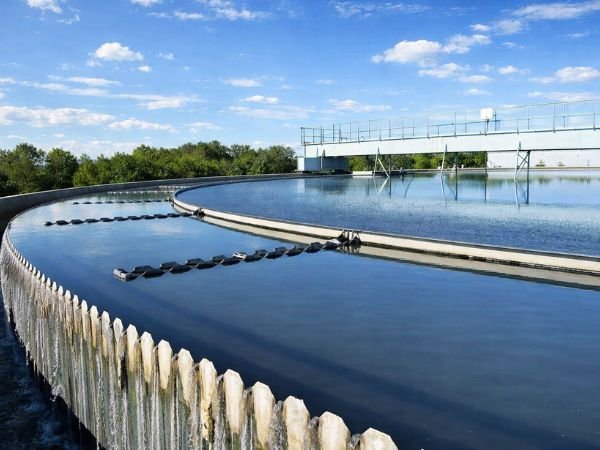
Wastewater treatment is one of those essential processes that most people never see, yet everyone depends on. From municipal sewage systems to industrial effluent treatment plants, the goal remains the same treat contaminated water safely before it returns to the environment. Among the many chemicals used in this process, hydrated lime in wastewater treatment continues to play a critical role.
Despite its long history and proven performance, hydrated lime is often misunderstood. Questions around safety, environmental impact, sludge generation, and whether lime-based treatment is “outdated” still circulate among engineers, consultants, and plant operators.
This article clears those doubts by separating hydrated lime myths from facts, using practical, real-world understanding rather than textbook theory. The focus is on how hydrated lime actually behaves inside wastewater systems, where it works best, and what limitations professionals should be aware of.
Why Hydrated Lime Is Still Widely Used in Wastewater Treatment
Even with the introduction of advanced polymers and synthetic reagents, hydrated lime remains a preferred chemical in wastewater treatment systems across India and globally. The reason is simple: it works reliably under varied conditions.
Hydrated lime helps operators:
- Control pH in acidic wastewater
- Reduce pathogens
- Precipitate heavy metals
- Improve sludge stability
Its chemical behaviour is well understood, predictable, and compatible with both mechanical and biological treatment processes. For facilities that value stability over experimentation, hydrated lime continues to be a dependable choice.
How Hydrated Lime Functions Inside Treatment Systems
Hydrated lime, or calcium hydroxide, reacts with wastewater primarily by increasing alkalinity. This pH adjustment triggers several beneficial reactions:
- Acidic effluents are neutralised
- Dissolved metals form insoluble precipitates
- Harmful microorganisms are reduced
- Sludge becomes more stable and easier to handle
Unlike aggressive chemicals that cause rapid fluctuations, hydrated lime works steadily. This makes system control easier and reduces the risk of shock loading in downstream treatment stages.
Common Myths About Hydrated Lime in Wastewater Treatment
Myth 1: Is hydrated lime harmful to wastewater and the environment?
This concern is common, especially among new operators.
Fact: Hydrated lime is not harmful when used correctly. It reacts within controlled pH limits and forms stable compounds that are removed during sludge handling. Environmental damage only occurs when dosing is poorly managed something that applies to all wastewater chemicals.
Myth 2: Lime-based treatment is outdated technology
Fact: Lime treatment is still widely used because it delivers consistent results. Many modern plants combine advanced treatment technologies with lime dosing for pH control and sludge conditioning. Lime has not been replaced it has been integrated.
Myth 3: Hydrated lime always creates excessive sludge
Fact: Hydrated lime does increase sludge volume, but it also improves sludge quality. The resulting sludge is easier to dewater and more stable, often reducing disposal issues in the long run.
Myth 4: Hydrated lime is unsafe for plant operators
Fact: Hydrated lime safety in wastewater treatment depends on handling practices. With standard PPE, dust control, and proper storage, it is considered safer than strong acids or volatile chemicals commonly used in treatment plants.
Myth 5: Quicklime is always better than hydrated lime
Fact: The comparison between hydrated lime vs quicklime wastewater applications depends on site requirements. Quicklime reacts faster but generates heat and requires stricter handling. Hydrated lime offers easier dosing and greater operational safety.
Facts Backed by Operational Experience
Across municipal and industrial wastewater facilities, hydrated lime continues to be trusted because:
- Its reactions are well documented
- Operators can visually and chemically monitor performance
- It complies with wastewater treatment chemical standards
- It integrates smoothly with biological treatment systems
These facts are supported by decades of field data, not marketing claims.
Hydrated Lime vs Other Wastewater Treatment Chemicals
| Parameter | Hydrated Lime | Caustic Soda | Acid-Based Chemicals |
| pH Adjustment | Gradual & stable | Rapid | Rapid |
| Operator Safety | Moderate & manageable | High risk | High risk |
| Sludge Stability | Improves | Neutral | Often negative |
| Cost Volatility | Low | High | High |
| Environmental Compatibility | High | Moderate | Low |
This comparison explains why hydrated lime remains one of the safe chemicals for wastewater treatment.
Advantages and Disadvantages of Hydrated Lime in Wastewater Treatment
Key Advantages
- Reliable pH control
- Supports heavy metal removal
- Enhances pathogen reduction
- Improves sludge conditioning
- Long shelf life
Disadvantages of hydrated lime in wastewater treatment
- Increased sludge volume
- Requires dry storage conditions
- Slower reaction compared to quicklime
These disadvantages are operational challenges not environmental risks and can be managed through proper system design.
Use of Hydrated Lime in Effluent Treatment Plants
Hydrated lime for effluent treatment plants is commonly used in:
- Equalisation tank pH correction
- Primary treatment of acidic industrial effluents
- Sludge stabilisation units
- Odour control processes
Industries such as textiles, chemicals, food processing, and tanneries rely heavily on lime-based treatment due to variable influent quality.
Hydrated Lime Safety in Wastewater Treatment
To ensure safe handling:
- Store hydrated lime in dry, covered silos or bags
- Use dust suppression during charging
- Provide gloves, masks, and eye protection
- Train operators on material behaviour
When these steps are followed, hydrated lime poses minimal risk and remains one of the most manageable chemicals used in treatment plants.
Wastewater Treatment Chemical Standards and Compliance
Hydrated lime used in wastewater treatment must meet:
- Purity requirements
- Controlled fineness for consistent reactivity
- Limits on insoluble residues
Reliable suppliers ensure compliance with national and international wastewater treatment chemical standards, helping plants meet regulatory discharge norms.
Best Hydrated Lime Manufacturers in India: Why Quality Matters
Choosing from the Best Hydrated Lime manufacturers in India is not about branding it is about consistency, safety, and compliance.
Poor-quality lime can:
- Cause inconsistent pH control
- Increase sludge handling issues
- Introduce impurities into the treatment process
Established manufacturers with experience in wastewater applications, such as Shri Jodhpur Lime, focus on controlled processing and quality checks that support reliable plant performance over time.
FAQs
Q1. Is hydrated lime harmful to wastewater systems?
Answer: No. When used within controlled limits, hydrated lime reacts safely and is removed during treatment. Problems arise only from incorrect dosing or lack of monitoring.
Q2. Why is hydrated lime preferred over acids for pH correction?
Answer: Hydrated lime provides gradual pH adjustment and improves sludge stability, while acids can disrupt biological treatment and pose higher safety risks.
Q3. What are the disadvantages of hydrated lime in wastewater treatment?
Answer: The main disadvantages include increased sludge volume and storage requirements. These are manageable through proper system design and operation.
Q4. How does hydrated lime compare to quicklime in wastewater treatment?
Answer: Hydrated lime is safer and easier to handle, while quicklime reacts faster but requires stricter safety controls.
Q5. Which industries commonly use hydrated lime for effluent treatment plants?
Answer: Textile, chemical, food processing, tannery, and municipal wastewater facilities widely use hydrated lime due to acidic effluent streams.